This will be a short post. I just wanted to share that when my children were babies, we were pummeled with advice regarding letting them cry at night as part of their self-soothing training. There were entire books on it! We, fortunately, never had to resort to this method, as the twins were natural self-soothers and had no problems slowly transitioning to sleeping through the night.
Now my sons are 19 years old. Last night I had to walk away from one of them, leaving him sobbing. It was INCREDIBLY hard. Two hours had already passed where I held him, soothed him with words, did gratitude exercises with him, etc., yet the sobs kept coming. I could see how exhausted he was. Do you remember that exhausted cry babies would also do? Same thing. Nothing was going to be resolved without some sleep.
I explained to him the need for sleep, and as long as I sat there responding to his flow of tragic ideas, we would continue being stuck in the circle we had been running. I would be leaving the room so we both could get some sleep, but if he needed me to return, he could knock or text.
And I walked away.
I entered the bedroom where my husband's wide eyes reflected my own fear and hesitations. The sobbing cranked up a notch. There were even some wails. I truly felt we had to let it go. Sure enough, within just a few minutes, there was movement from his room. I heard him going through the motions of getting ready for bed, including a trip to brush his teeth. No more sobbing. I breathed a little bit easier, but there was of course the steady sadness which wouldn't dissipate for...well, weeks? Those sounds haunt you.
In hindsight, I wish I had walked away an hour earlier. I'm posting all this because we don't talk a lot about the challenges of emerging adult children. Their anxieties and fears are so real, and they're often navigating so many stresses alone (he was home on Fall Break). I did a quick Google search on adult children crying and the like. I was shocked to find nothing directly applicable. Amazon books identified some guides for family members of the depressed, which may contain some help, but the information wasn't readily available.
Had I heard buzz at some point about the value in walking away from a distraught adult child while in the throes of a breakdown combined with exhaustion and circularity, I might've left earlier and shortened the duration of the strain. So here is my shared experience perhaps for someone else to benefit from.
One more note--the common marriage advice of "never go to bed angry?" I think it's ridiculous. For my husband and I, married 23 years, if an argument is raised in the late evening, we've GOT to go to bed angry and handle it when well-rested and more rational. Too many times we've tried to resolve things when tired and the result is always more anger and resentment. Every time we've gone to bed angry, the morning is absolutely fine and resolution is quickly achieved. Just my two cents on that one, but it obviously relates to last night's situation with my son.
In a nutshell--sometimes it's best to walk away, even though it may seem cruel and is very difficult, but do it with explanation, compassion, and an invitation to reconvene. Listen closely and monitor the situation, which may escalate a bit before resolving, as in our case, or perhaps it worsens without petering out, and you'd have to judge how to react based on how the situation is developing.
I wish you the best in working with your exhausted, emotional, struggling adult child. I am not a therapist or psychologist, just sharing my parenting experience.
Namaste
Wednesday, October 23, 2019


Thursday, July 20, 2017
On Being Breastless
You read it right. Breastless. I WISH that was a typo and I had meant "Breathless" or "Restless", or even what my husband thought I said, "Blessed with." But alas, this is a post about what it's like to say goodbye to, and live without, breasts. At least the original ones.

With all the campaigns to heighten awareness of breast cancer, I had given some thought to what it would be like to have them removed. There were times when I even thought foolishly that there might be some benefit to it--my breasts were extra large and cumbersome. I had a hard time doing many sports, my back ached sometimes, and certain clothes just looked obscene on me. Although those issues were eliminated when I had my bilateral mastectomy, what I didn't understand was the difficult emotional and sexual issues that hijacked any benefit.
Something I hadn't considered much when hearing of others' plight is the simple fact that the breasts are a sexual organ. OK, obviously their primary purpose is producing milk, but the rest of the time, they're not just dead weight. We identify with them sexually, and many couples include them as a central component of intercourse.
Is this weird to read? It's very weird to write. I think largely because I'm afraid my mom is going to read this; then I'll be really embarrassed! Maybe that's why not many people talk about it--sheer embarrassment! When I was getting all of my medical consultations, not a single doctor talked about this. I did read a bit about sexual counseling in books, but I had yet to find real first-hand accounts of what it's like to go through this private ordeal.
I tried my best to keep the possible future struggle out of my treatment decision-making. I truly wanted to do what was best for my health outcome in the long run and didn't want other considerations clouding that choice. I'm glad I did it that way--it worked well for me, but once the decision was made to remove both of my breasts, the consequences of it sunk in.
One thing I didn't foresee was that from the time the decision was made, sex became awkward. It became sad. I would often cry. I knew that I had a number of weeks left, and that was it...here I am, 17 months later, and I'm still getting teary-eyed thinking about it. Breasts were such a huge part of our "routine" (face it, after 20+ years, even outside-the-box sex has some sort of routine in a marriage!), I didn't know what we would do. They played into the attraction, the foreplay, the main event...in some ways, they were more important than a vagina!!! I know that seems ridiculous, but that was our reality. No one dresses up in a sexy dress and has people comment, "Wow, your va jay jay looks HOT in that!" Hahahahaha, that's so absurd! But the rack??? That's sort of where it all starts!

And once you get the fire stoked, there's a lot of stimulation that happens there! And groping....and...well, you can fill in the rest!
So sex after that decision was made, before the surgery even happened, became sad. Will this be the last time? Oh man, that feels good....I'm going to miss that. Never again, for the rest of my life??? There's nothing else that makes me feel that can substitute for that....cue tears.
Sad tears are sort of a deal-breaker for sex. Kills the mood.
The few days before the surgery, the countdown really begins. Fear sets in. Questioning. Three days left. Two days left...and the night before? More tears. But you buck up, you be strong, because, face it, it's cancer, there's nothing you can do, this is the decision you chose, and there are about 20 million worse situations people face across the globe every day, so get over it. These are the thoughts that ran through my head.
When I woke up from surgery without my DDDs anymore, I had chest expanders in place. They were only holding 100 ccs of water or so, by no means substantial, but at least I wasn't concave. Although I had so much pain from some nerve damage, I hardly cared. As time wore on, though, and I continued to heal, the first thing I had to deal with was my shape.

Oh my goodness, I felt horrid. I was so disproportioned. I am overweight, and my former breasts sort of balanced me out a bit. Now, if you looked at me from the chest up, I looked almost athletic. Below that, though, I looked very misshapen. I felt like a Weeble Wobble (remember those)? I knew, though, that it was only temporary--once I had my reconstruction, I would look better. So I tried my best to forget about my shape, and to make sure pictures were edited to only show chest up!
No turning back now, no breasts. I was there, living it...and doing ok. I'm not one to look back with regret over the things I can't change. Finally, once I healed more, the first attempts at sex were made. Not too successful; it was so awkward and uncomfortable! I would usually just cry after a couple of minutes, and give up. The most success we had was just completely forgetting about foreplay because it brought up desires which were no longer options, and we stuck with positions where breasts are generally out of play, or "other options" altogether, so we didn't miss them as much. Sound like fun? Nope, it wasn't. It was a bridge, though, a foundation from which we could expand at a later date.
 Eventually, I had my breast reconstruction (I chose a DIEP flap). Once I was completely healed from that, the sex improved tremendously...because we could pretend. Yes, pretend...that was our next step. Ever hear the phrase "fake it 'til you make it?" Memory is a powerful thing, and we now had this prop which helped pull our minds back into that pleasure we used to experience. In case you're unaware, reconstructed breasts have no feeling whatsoever, so there was no actual physical stimulation going on for me, but we were making our way back through the jungle of emotions and hang-ups.
My advice to other couples? It's rough. But it gets better with time. Give yourselves lots of time to heal physically and emotionally. Stand by each other. Try new things, and forget the old. I do NOT like the advice given in a very popular book about breast cancer that a marriage can benefit from an affair at this point. Truly, it says that. The woman gets the feeling that she is desirable again, which then translates to better results in the bedroom. I think that is ridiculous advice. Why take a difficult time more difficult by adding in other complications involved in an affair? Yucky. You don't need to do that! Just be grateful that you have each other at all, cherish your time together, and be patient with each other. Communicate. Take the time to build up romance again.

I read the other day that you are most beautiful when you are doing something that suits your soul. Focus on your beauty within, and shine it outwards. Your body doesn't make you beautiful--your actions and words do, and your inner light bursting forth does.
Keepin' it real,
Jules

With all the campaigns to heighten awareness of breast cancer, I had given some thought to what it would be like to have them removed. There were times when I even thought foolishly that there might be some benefit to it--my breasts were extra large and cumbersome. I had a hard time doing many sports, my back ached sometimes, and certain clothes just looked obscene on me. Although those issues were eliminated when I had my bilateral mastectomy, what I didn't understand was the difficult emotional and sexual issues that hijacked any benefit.
Something I hadn't considered much when hearing of others' plight is the simple fact that the breasts are a sexual organ. OK, obviously their primary purpose is producing milk, but the rest of the time, they're not just dead weight. We identify with them sexually, and many couples include them as a central component of intercourse.
Is this weird to read? It's very weird to write. I think largely because I'm afraid my mom is going to read this; then I'll be really embarrassed! Maybe that's why not many people talk about it--sheer embarrassment! When I was getting all of my medical consultations, not a single doctor talked about this. I did read a bit about sexual counseling in books, but I had yet to find real first-hand accounts of what it's like to go through this private ordeal.
I tried my best to keep the possible future struggle out of my treatment decision-making. I truly wanted to do what was best for my health outcome in the long run and didn't want other considerations clouding that choice. I'm glad I did it that way--it worked well for me, but once the decision was made to remove both of my breasts, the consequences of it sunk in.
One thing I didn't foresee was that from the time the decision was made, sex became awkward. It became sad. I would often cry. I knew that I had a number of weeks left, and that was it...here I am, 17 months later, and I'm still getting teary-eyed thinking about it. Breasts were such a huge part of our "routine" (face it, after 20+ years, even outside-the-box sex has some sort of routine in a marriage!), I didn't know what we would do. They played into the attraction, the foreplay, the main event...in some ways, they were more important than a vagina!!! I know that seems ridiculous, but that was our reality. No one dresses up in a sexy dress and has people comment, "Wow, your va jay jay looks HOT in that!" Hahahahaha, that's so absurd! But the rack??? That's sort of where it all starts!

And once you get the fire stoked, there's a lot of stimulation that happens there! And groping....and...well, you can fill in the rest!
So sex after that decision was made, before the surgery even happened, became sad. Will this be the last time? Oh man, that feels good....I'm going to miss that. Never again, for the rest of my life??? There's nothing else that makes me feel that can substitute for that....cue tears.
Sad tears are sort of a deal-breaker for sex. Kills the mood.
The few days before the surgery, the countdown really begins. Fear sets in. Questioning. Three days left. Two days left...and the night before? More tears. But you buck up, you be strong, because, face it, it's cancer, there's nothing you can do, this is the decision you chose, and there are about 20 million worse situations people face across the globe every day, so get over it. These are the thoughts that ran through my head.
When I woke up from surgery without my DDDs anymore, I had chest expanders in place. They were only holding 100 ccs of water or so, by no means substantial, but at least I wasn't concave. Although I had so much pain from some nerve damage, I hardly cared. As time wore on, though, and I continued to heal, the first thing I had to deal with was my shape.

Oh my goodness, I felt horrid. I was so disproportioned. I am overweight, and my former breasts sort of balanced me out a bit. Now, if you looked at me from the chest up, I looked almost athletic. Below that, though, I looked very misshapen. I felt like a Weeble Wobble (remember those)? I knew, though, that it was only temporary--once I had my reconstruction, I would look better. So I tried my best to forget about my shape, and to make sure pictures were edited to only show chest up!
No turning back now, no breasts. I was there, living it...and doing ok. I'm not one to look back with regret over the things I can't change. Finally, once I healed more, the first attempts at sex were made. Not too successful; it was so awkward and uncomfortable! I would usually just cry after a couple of minutes, and give up. The most success we had was just completely forgetting about foreplay because it brought up desires which were no longer options, and we stuck with positions where breasts are generally out of play, or "other options" altogether, so we didn't miss them as much. Sound like fun? Nope, it wasn't. It was a bridge, though, a foundation from which we could expand at a later date.

My advice to other couples? It's rough. But it gets better with time. Give yourselves lots of time to heal physically and emotionally. Stand by each other. Try new things, and forget the old. I do NOT like the advice given in a very popular book about breast cancer that a marriage can benefit from an affair at this point. Truly, it says that. The woman gets the feeling that she is desirable again, which then translates to better results in the bedroom. I think that is ridiculous advice. Why take a difficult time more difficult by adding in other complications involved in an affair? Yucky. You don't need to do that! Just be grateful that you have each other at all, cherish your time together, and be patient with each other. Communicate. Take the time to build up romance again.

I read the other day that you are most beautiful when you are doing something that suits your soul. Focus on your beauty within, and shine it outwards. Your body doesn't make you beautiful--your actions and words do, and your inner light bursting forth does.
Keepin' it real,
Jules
Tuesday, July 18, 2017
Why I Chose Bilateral Mastectomy for a DCIS Diagnosis
It's been 15 months now since the finding of DCIS in my right breast. I've wanted to blog about it ever since, but couldn't really wrap my mind around what I wanted to say, or how I wanted to say it. Emotionally, the past year has been a roller coaster, and I'm glad I waited so I wouldn't express a fleeting idea or feeling.
 There's a sad amount of negativity out there for women who choose mastectomy for a DCIS diagnosis. DCIS stands for ductal carcinoma in situ, which means that there are cancer cells in the milk ducts of the breast, but no invasion yet, which is to say that there has been no cancer detected outside of the ducts. This is a very good finding for breast cancer! (Identifying cancer at this stage has been what we have been working toward, and now that we have succeeded in the early finding for many women, I am dismayed at the criticisms for treating it aggressively). Mine was found with the help of the 3D/MRI breast screening...on my very first mammogram. There was no palpated lump, no reason to suspect any cancer. The intention was to establish a very clear baseline, since my breasts were very dense. I was 41 years old. The recommended age for mammograms had recently increased to 50, but my gynecologist was uncomfortable with the reasoning behind the change. She thus encouraged me to have this test done. Her caution perhaps saved my life, and certainly saved me from a lot of extra suffering, had the cancer been found a later date.
After more imaging (initial suspicion was micro-clusters found on mammogram) and a biopsy, diagnosis came back with DCIS grade 2, which means that it was a mix of aggressive cancer cells and non-aggressive. It is an important detail to make clear that this is what was found on the biopsy. It tells you nothing about non-biopsied tissue. DCIS is naturally invisible on mammogram--it is only the resulting micro-calcifications that are sometimes present which alert us of a problem. In fact, a friend of mine whom I consulted had the same diagnosis from her breast biopsy. Very unfortunately for her, during her mastectomy, they found she actually had Stage 3 cancer! Deep infiltration in her lymph nodes. Although her biopsy showed no invasion, there absolutely had been invasion elsewhere. It only takes a tiny breakout through those ductal walls for the cancer to spread. This possibility is more dangerous in younger women with a type of cancer which thrives off of hormones, like mine was (hormone-receptor positive).
So which path toward future health should I choose? My initial reaction was to take the absolute safest route to avoid recurrence and/or spread, which was to just get rid of the breasts! However, I wanted to give each option its fair consideration, so I did indeed meet with the whole team of doctors put together for me. My options were the following:
The mad rush was on...do all my research, meet all the doctors, and do it all as quickly as possible so we could get the surgery on the schedule and remove this cancer! It was a very stressful time.
As I referred to before, while doing my homework, I found so many people critical of the mastectomy option where DCIS is considered. I even had a friends blatantly (and insensitively) express to me that it seemed like an extreme choice. I became defensive. I understand the background behind a lot of this sentiment--it's a backlash to when women had no good alternatives to mastectomies, and now that we have a choice, there's a general push to "save the breast." That's great for some people, and I honor those decisions. However, I would like to lay out the reasons I chose bilateral mastectomy (with reconstruction). I hope to support other women considering treatment and to educate their loved ones.
1. The most important factor was the statistic a surgeon shared with me (with accompanying research) that for women under the age of 45 with DCIS who chose lumpectomy with radiation, there was a 26% chance of recurrence in 10 years. Half of those recurrences would be invasive, requiring chemotherapy. This information was critical for two reasons. Foremost, it was the most specific study that looked at not only my diagnosis, but my age bracket. The sample set was most like me, and it was a significant number of subjects. Also, I found that recurrence rate to be very high--an unacceptable risk in my mind. Others may find that number to be reasonably low, and choose to keep their breast, and I totally honor that. It's a very personal matter.
2. Lumpectomy is often repeated because the margins are not "good" in the surgical biopsies. One lumpectomy often turns into two, and sometimes more! In hindsight, this probably would've been the case with me, since the affected area on the mammogram was only a couple millimeters large, but after the breast was removed, they found the DCIS to have spread to a volume around 2 cm cubed! Again, DCIS is completely invisible to all imaging unless it has left micro-calcifications in its wake.
3. Radiation is not fun, and there are risks involved, short-term and long-term. Sometimes tissue is damaged enough to make reconstruction difficult, or at least to limit reconstruction options. There is associated future cancer risk. Burns and inconvenience of going every day for 6 weeks factor in as well, although those are temporary issues.
4. Tamoxifen was not a drug I was interested in taking for 10 years. Its effectiveness seems to be significant, but the side effects are bad enough that many women quit taking it, hence increasing their risk of recurrence.
5. This was my second cancer. I had melanoma at the age of 27. Since my grandmother and her sister also had early-onset melanoma, it is highly likely that I have a gene, and often breast cancer and melanoma are linked genetically. I did have DNA testing for the several genes known to cause cancer. I did not have BRCA-1 or BRCA-2, although an unknown mutation was present in my ATM gene. Genetics is still in its infancy, however, and I was not comfortable ruling out the possibility a genetic link. If there were a gene causing these two cancers, it would increase the likelihood of a second breast cancer developing, so I felt more comfortable removing both.
6. Testing positive for hormone receptors scared me...I have many more years before hitting menopause, and any little cell that found its way to my blood stream would be fed its favorite diet and spread at a rapid rate.
7. Reconstructing one breast to match the other is difficult when you are large-breasted, as I was. It seemed easier to get a good "set" if the plastic surgeon could just start with a clean, symmetrical slate by having both removed.
8. Mastectomy recurrence rate in the aforementioned study is 1-2%, all invasive. That sure beats 26% by a long shot!
9. Having had cancer before, I know what it's like to have that shadow following you around for years after...every illness, every lumpy lymph node is a terror you try to suppress. Your mind wanders to bad places, and before you know it, you find yourself making a playlist on iTunes for your funeral. (True, I did this!) I knew I wanted to decrease that burden as much as possible by lowering the chance for recurrence.
There absolutely are good reasons to choose lumpectomy as well. Keeping your breast, not undergoing the difficult reconstruction, and more, are important to consider. However, since that wasn't the route I chose, I'll leave that argument to someone else! It certainly is a much more appealing option for older women, in some cases with near equal recurrence rates compared with mastectomy!
 I hope that reading this has sparked more understanding and compassion for breast cancer victims and catharsis for those of you who chose a similar decision to mine. More importantly, I hope it has helped someone on their journey through DCIS decision-making. I wish to stress that I am not trying to influence one way or another, but just to share my own thought-process. (I also am not a medical professional, so always consult your medical team before making any decision). Please honor all women in whichever decision they choose, and know that criticizing their choices is not helpful. I am absolutely thrilled with my decision, by the way. It's been a rough road, and being without my breasts has been harder than I imagined. Dealing with the loss of my breasts was a struggle I felt better equipped to handle than the possible guilt I would feel if I took the greater risk, ending up with invasive cancer down the road.
Thanks for reading, and please share if you feel so compelled.


After more imaging (initial suspicion was micro-clusters found on mammogram) and a biopsy, diagnosis came back with DCIS grade 2, which means that it was a mix of aggressive cancer cells and non-aggressive. It is an important detail to make clear that this is what was found on the biopsy. It tells you nothing about non-biopsied tissue. DCIS is naturally invisible on mammogram--it is only the resulting micro-calcifications that are sometimes present which alert us of a problem. In fact, a friend of mine whom I consulted had the same diagnosis from her breast biopsy. Very unfortunately for her, during her mastectomy, they found she actually had Stage 3 cancer! Deep infiltration in her lymph nodes. Although her biopsy showed no invasion, there absolutely had been invasion elsewhere. It only takes a tiny breakout through those ductal walls for the cancer to spread. This possibility is more dangerous in younger women with a type of cancer which thrives off of hormones, like mine was (hormone-receptor positive).
So which path toward future health should I choose? My initial reaction was to take the absolute safest route to avoid recurrence and/or spread, which was to just get rid of the breasts! However, I wanted to give each option its fair consideration, so I did indeed meet with the whole team of doctors put together for me. My options were the following:
- Single mastectomy of the affected breast, with our without reconstruction
- Bilateral mastectomy (both breasts, prophylactically for the non-affected side), with our without reconstruction
- Lumpectomy, six weeks of radiation (or alternative concentrated radiation), 10 years of tamoxifen (hormone therapy)
The mad rush was on...do all my research, meet all the doctors, and do it all as quickly as possible so we could get the surgery on the schedule and remove this cancer! It was a very stressful time.
As I referred to before, while doing my homework, I found so many people critical of the mastectomy option where DCIS is considered. I even had a friends blatantly (and insensitively) express to me that it seemed like an extreme choice. I became defensive. I understand the background behind a lot of this sentiment--it's a backlash to when women had no good alternatives to mastectomies, and now that we have a choice, there's a general push to "save the breast." That's great for some people, and I honor those decisions. However, I would like to lay out the reasons I chose bilateral mastectomy (with reconstruction). I hope to support other women considering treatment and to educate their loved ones.
1. The most important factor was the statistic a surgeon shared with me (with accompanying research) that for women under the age of 45 with DCIS who chose lumpectomy with radiation, there was a 26% chance of recurrence in 10 years. Half of those recurrences would be invasive, requiring chemotherapy. This information was critical for two reasons. Foremost, it was the most specific study that looked at not only my diagnosis, but my age bracket. The sample set was most like me, and it was a significant number of subjects. Also, I found that recurrence rate to be very high--an unacceptable risk in my mind. Others may find that number to be reasonably low, and choose to keep their breast, and I totally honor that. It's a very personal matter.
2. Lumpectomy is often repeated because the margins are not "good" in the surgical biopsies. One lumpectomy often turns into two, and sometimes more! In hindsight, this probably would've been the case with me, since the affected area on the mammogram was only a couple millimeters large, but after the breast was removed, they found the DCIS to have spread to a volume around 2 cm cubed! Again, DCIS is completely invisible to all imaging unless it has left micro-calcifications in its wake.
3. Radiation is not fun, and there are risks involved, short-term and long-term. Sometimes tissue is damaged enough to make reconstruction difficult, or at least to limit reconstruction options. There is associated future cancer risk. Burns and inconvenience of going every day for 6 weeks factor in as well, although those are temporary issues.
4. Tamoxifen was not a drug I was interested in taking for 10 years. Its effectiveness seems to be significant, but the side effects are bad enough that many women quit taking it, hence increasing their risk of recurrence.
5. This was my second cancer. I had melanoma at the age of 27. Since my grandmother and her sister also had early-onset melanoma, it is highly likely that I have a gene, and often breast cancer and melanoma are linked genetically. I did have DNA testing for the several genes known to cause cancer. I did not have BRCA-1 or BRCA-2, although an unknown mutation was present in my ATM gene. Genetics is still in its infancy, however, and I was not comfortable ruling out the possibility a genetic link. If there were a gene causing these two cancers, it would increase the likelihood of a second breast cancer developing, so I felt more comfortable removing both.
6. Testing positive for hormone receptors scared me...I have many more years before hitting menopause, and any little cell that found its way to my blood stream would be fed its favorite diet and spread at a rapid rate.
7. Reconstructing one breast to match the other is difficult when you are large-breasted, as I was. It seemed easier to get a good "set" if the plastic surgeon could just start with a clean, symmetrical slate by having both removed.
8. Mastectomy recurrence rate in the aforementioned study is 1-2%, all invasive. That sure beats 26% by a long shot!
9. Having had cancer before, I know what it's like to have that shadow following you around for years after...every illness, every lumpy lymph node is a terror you try to suppress. Your mind wanders to bad places, and before you know it, you find yourself making a playlist on iTunes for your funeral. (True, I did this!) I knew I wanted to decrease that burden as much as possible by lowering the chance for recurrence.
There absolutely are good reasons to choose lumpectomy as well. Keeping your breast, not undergoing the difficult reconstruction, and more, are important to consider. However, since that wasn't the route I chose, I'll leave that argument to someone else! It certainly is a much more appealing option for older women, in some cases with near equal recurrence rates compared with mastectomy!

Thanks for reading, and please share if you feel so compelled.

Wednesday, November 9, 2016
That Part of Health Care Which Nobody Talks About
With the Affordable Health Care Act perhaps on the chopping block under the new government come January, I wanted to share some thoughts about health care that I haven't heard discussed often.
 Health care costs have increased. Yes. Premiums are increasing. Yes. How about the services you and your loved ones have received? Has that also increased?
I imagine that if you have health coverage, your answer is yes. People are living longer. Health care advances have grown by leaps and bounds. I think most people would say that this is a good thing, especially if they are on the receiving end! For example, the cancer fight is being fought so well that in some cases, it's almost become a chronic disease with which the victim learns to live. Other folks are given years, and sometimes decades, longer to live with their loved ones. Many are completely cured after long, expensive treatments. The unfortunate ones who remain terminal would give up so much for another month, another year...
I chose cancer for my example because the cancer rates in America have grown so astronomically (for reasons that require a whole other post) that we all know several people who have suffered. I think we can all agree that although there are things we can do to lessen or increase our risk, cancer generally does not discriminate. Sadly, this is a disease we all need to deal with at some point in our inner circles.
 Advances in health care are a blessing. They are also very expensive, both to develop and to implement. The only way to keep premiums from increasing is to either fund it somehow (through businesses, government, charity) OR to continuously exclude people and services covered. If the latter is chosen, the scope of people negatively affected will continue to grow in a desperate attempt to stay on top of the world in medicine while trying to keep premiums steady. The numbers of sick, the bankrupt, and the dead would be tilting heavily towards the disadvantaged.
As a society, I think it is time to accept that if we are on board with living longer and having the best medicine available to all of our citizens, we need to also accept that health care is going to become a larger portion of our personal budgets. It is my belief that the best way to ensure that coverage is unbiased is to include it as part of our federal spending. There are fewer things more important than our health--this is an ok thing to receive a bigger piece of the pie. Few of us had a hard time increasing our spending for mobile phones, wireless internet, fancier (non-safety) features in our cars, etc, yet how important are these things, really? How much to they contribute to the overall happiness of your family? Do any of them get you another decade with your spouse or child? Let's be OK with increasing our health care spending, and know that it's money well-spent.
This example of cancer can be extended to most diseases which we face. Take a moment to think about your extended family and name all the medical issues they've faced in just the past 4 years. In mine, I can quickly identify diabetes, breast cancer, prostate cancer (two cases), thyroid cancer, heart disease, severe allergies, asthma, osteoporosis, heart attack, esophageal cancer, congestive heart failure, liver failure, several broken bones (some requiring surgery), gynecological surgery, several births, and numerous chronic issues from traumatic car accident. This is just family, and certainly I've forgotten some things!!! There's no way we could've collected our incomes together to pay for all these services. The village isn't big enough. Which loved one would I deny coverage to? Every single member of this circle is hard-working, middle class or retired after a fruitful career. The numbers just don't add up. There needs to be support for health care from the government, and yes, I support increased taxes to pay for it. I prefer to see fair tax reform as opposed to a flat tax increase, but again, that's another post.
So that's the issue I haven't heard proclaimed--that health care cost increases are a natural progression for the level of care we demand and should welcome, so let's stop talking about how to halt them and discuss how to fund them with shared burden between families, businesses, and government.

One last note: I can't close this without listing just a few things that I'd like to address in a later blog, but don't want to take away from my central point by elaborating on here...yes, I know that Big Pharma rips us off, and I do support reform there, yes, I support many aspects of the Affordable Health Care Act such as not denying coverage to those with pre-existing conditions, coverage of children to age 26, and requiring coverage (which we all need at some point). I do not propose that it is perfect in its current form, but to throw the baby out with the bath water is foolhardy.
I imagine that if you have health coverage, your answer is yes. People are living longer. Health care advances have grown by leaps and bounds. I think most people would say that this is a good thing, especially if they are on the receiving end! For example, the cancer fight is being fought so well that in some cases, it's almost become a chronic disease with which the victim learns to live. Other folks are given years, and sometimes decades, longer to live with their loved ones. Many are completely cured after long, expensive treatments. The unfortunate ones who remain terminal would give up so much for another month, another year...
I chose cancer for my example because the cancer rates in America have grown so astronomically (for reasons that require a whole other post) that we all know several people who have suffered. I think we can all agree that although there are things we can do to lessen or increase our risk, cancer generally does not discriminate. Sadly, this is a disease we all need to deal with at some point in our inner circles.
 Advances in health care are a blessing. They are also very expensive, both to develop and to implement. The only way to keep premiums from increasing is to either fund it somehow (through businesses, government, charity) OR to continuously exclude people and services covered. If the latter is chosen, the scope of people negatively affected will continue to grow in a desperate attempt to stay on top of the world in medicine while trying to keep premiums steady. The numbers of sick, the bankrupt, and the dead would be tilting heavily towards the disadvantaged.
As a society, I think it is time to accept that if we are on board with living longer and having the best medicine available to all of our citizens, we need to also accept that health care is going to become a larger portion of our personal budgets. It is my belief that the best way to ensure that coverage is unbiased is to include it as part of our federal spending. There are fewer things more important than our health--this is an ok thing to receive a bigger piece of the pie. Few of us had a hard time increasing our spending for mobile phones, wireless internet, fancier (non-safety) features in our cars, etc, yet how important are these things, really? How much to they contribute to the overall happiness of your family? Do any of them get you another decade with your spouse or child? Let's be OK with increasing our health care spending, and know that it's money well-spent.
This example of cancer can be extended to most diseases which we face. Take a moment to think about your extended family and name all the medical issues they've faced in just the past 4 years. In mine, I can quickly identify diabetes, breast cancer, prostate cancer (two cases), thyroid cancer, heart disease, severe allergies, asthma, osteoporosis, heart attack, esophageal cancer, congestive heart failure, liver failure, several broken bones (some requiring surgery), gynecological surgery, several births, and numerous chronic issues from traumatic car accident. This is just family, and certainly I've forgotten some things!!! There's no way we could've collected our incomes together to pay for all these services. The village isn't big enough. Which loved one would I deny coverage to? Every single member of this circle is hard-working, middle class or retired after a fruitful career. The numbers just don't add up. There needs to be support for health care from the government, and yes, I support increased taxes to pay for it. I prefer to see fair tax reform as opposed to a flat tax increase, but again, that's another post.
So that's the issue I haven't heard proclaimed--that health care cost increases are a natural progression for the level of care we demand and should welcome, so let's stop talking about how to halt them and discuss how to fund them with shared burden between families, businesses, and government.

One last note: I can't close this without listing just a few things that I'd like to address in a later blog, but don't want to take away from my central point by elaborating on here...yes, I know that Big Pharma rips us off, and I do support reform there, yes, I support many aspects of the Affordable Health Care Act such as not denying coverage to those with pre-existing conditions, coverage of children to age 26, and requiring coverage (which we all need at some point). I do not propose that it is perfect in its current form, but to throw the baby out with the bath water is foolhardy.
Friday, May 13, 2016
STUFF! The Intangible, the Injurious, the Inevitable
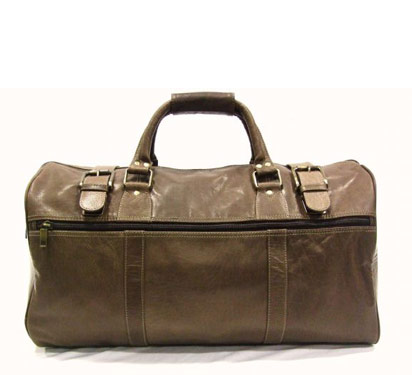
My purse is heavy. People laugh when they pick it up. Sometimes, I then entertain them with riffling through it, laughing as I display the absurdity of carrying a partial roll of toilet paper, or a program brochure from a concert nearly a year past. Very little of it do I actually need.


The literal "carry" becomes a figurative "carry" as the book transitions to the intangible, the injurious, the inevitable. The book as a whole begs the question of how much one can carry. How does one deal with the demands of carrying beyond one's perceived capacity?
Mary Poppins had a magic bag (or Hermione Granger, if you prefer) which held an infinite amount of tangibles. What does the vessel look like that would house our intangible "stuff"?
Let's imagine what that could maybe look like; each of us wearing our problems and cares in a container. I see images of fanny packs, camel backs, baskets on heads, change purses, U-haul trucks, and luggage on rollers. How often would we feel compassion for those trekking through their day with a wheelbarrow of worry or a tanker of trouble? How quickly might we come to resent the passers-by light on their feet with a mere pillbox in their pocket?
Truth is, the volume of our "stuff" is not proportional to its container. How we deal with our stuff is. The chance encounter with a person toting a load of emotions, guilt, and heaviness the size of a mustard seed would not be someone for whom to resent their cakewalk of a life, but someone to learn from. It would be wrong to assume that person hasn't been through the gamut of human tribulation. Likewise, it is equally erroneous to assume the one found strapped to a shipping container bears the largest burden of events and trials.
Instead, how about we not judge at all? There is no happiness which comes from comparing our place in life to another's. However, there is joy found in helping others to reduce their stress or in standing in the light of those who have mastered and reduced their weight into more sensible packages.
Jesus sets a great example for this mastery. Matthew 11:30 reads "For my yoke is easy and my burden is light."
When I received my second cancer diagnosis at age 41 two weeks ago, I slowly felt my own burden get heavier and heavier as my mind raced through all the scenarios for my near and distant future. Normally, I carry a duffle bag of concern. I quickly stuffed every available corner and pocket of that bag 'til it was nearly bursting open. Tonight, at Meditation class, I realized it would behoove me to upgrade to a nice Samsonite hard-sided piece of luggage with wheels. I am now toting this around more easily, and I know that in the coming weeks, I will reduce it little by little. It won't be an easy process, but with the help of meditation, mindfulness, perspective, and faith, I might get it all into a backpack someday soon. Like the toilet paper in my purse, I probably don't need most of it.
In the meantime, don't be afraid to talk with me about the cancer or any of the things in your own wallet/purse/hobo stick. I'm the same girl I was a few weeks ago, but with a bigger suitcase. Stopping to talk with you might mean we can both rest, and enjoy a human moment.


My son Andrew is currently taking a Field Biology class. When he heads out to the woods, his messanger bag is filled with a notebook, special pens which write in the rain, binoculars, magnifying glass, reference books, and a snack. Nothing extra, only carefully selected items to minimize the weight.

Tim O'Brien wrote a fabulous, yet horrible, book called The Things They Carried about soldiers in the Vietnam War. Chapter 1 begins with a literal description of what they carried:
American soldiers in Vietnam during the war carry many things, most of them from home. First Lieutenant Jimmy Cross carries letters from a girl named Martha, a college student back in New Jersey. He loves her, and though he knows she doesn't love him, he hopes she will. He often daydreams about romantic vacations with her. He wonders if she is a virgin. His love sometimes distracts him from taking care of his soldiers. The men in his platoon carry objects that revealed their personalities.Henry Dobbins is a big man who liked to eat, so he carries extra food. Ted Lavender was scared, so he carried tranquilizers, which he took until he was shot and killed. Dave Jensen is worried about disease, so he carries soap and a toothbrush. They all carry heavy helmets and boots. Kiowacarries a bible--he is a deeply religious Baptist. Mitchell Sanders carries condoms, and Norma Bowker carries a diary. Rat Kiley, the medic, carries comic books. The nights are cold, the ground is wet, and you can bleed to death very quickly, so they carry ponchos and bandages. Almost everyone carries, or "humps," photographs. Jimmy Cross carries two photographs of Martha, one where she leans against a wall (he wonders who took the picture) and one where she is playing volleyball, her left knee supporting all her weight. He stares at that knee, remembering when they went to see the movie "Bonnie and Clyde" together. He had touched her knee, and she had given him a look that made him take his hand away. " Chapter 1, pg. 5
The literal "carry" becomes a figurative "carry" as the book transitions to the intangible, the injurious, the inevitable. The book as a whole begs the question of how much one can carry. How does one deal with the demands of carrying beyond one's perceived capacity?
Mary Poppins had a magic bag (or Hermione Granger, if you prefer) which held an infinite amount of tangibles. What does the vessel look like that would house our intangible "stuff"?
Let's imagine what that could maybe look like; each of us wearing our problems and cares in a container. I see images of fanny packs, camel backs, baskets on heads, change purses, U-haul trucks, and luggage on rollers. How often would we feel compassion for those trekking through their day with a wheelbarrow of worry or a tanker of trouble? How quickly might we come to resent the passers-by light on their feet with a mere pillbox in their pocket?
Truth is, the volume of our "stuff" is not proportional to its container. How we deal with our stuff is. The chance encounter with a person toting a load of emotions, guilt, and heaviness the size of a mustard seed would not be someone for whom to resent their cakewalk of a life, but someone to learn from. It would be wrong to assume that person hasn't been through the gamut of human tribulation. Likewise, it is equally erroneous to assume the one found strapped to a shipping container bears the largest burden of events and trials.
Instead, how about we not judge at all? There is no happiness which comes from comparing our place in life to another's. However, there is joy found in helping others to reduce their stress or in standing in the light of those who have mastered and reduced their weight into more sensible packages.
Jesus sets a great example for this mastery. Matthew 11:30 reads "For my yoke is easy and my burden is light."
When I received my second cancer diagnosis at age 41 two weeks ago, I slowly felt my own burden get heavier and heavier as my mind raced through all the scenarios for my near and distant future. Normally, I carry a duffle bag of concern. I quickly stuffed every available corner and pocket of that bag 'til it was nearly bursting open. Tonight, at Meditation class, I realized it would behoove me to upgrade to a nice Samsonite hard-sided piece of luggage with wheels. I am now toting this around more easily, and I know that in the coming weeks, I will reduce it little by little. It won't be an easy process, but with the help of meditation, mindfulness, perspective, and faith, I might get it all into a backpack someday soon. Like the toilet paper in my purse, I probably don't need most of it.
In the meantime, don't be afraid to talk with me about the cancer or any of the things in your own wallet/purse/hobo stick. I'm the same girl I was a few weeks ago, but with a bigger suitcase. Stopping to talk with you might mean we can both rest, and enjoy a human moment.


Wednesday, June 24, 2015
My Favorite Things! Water Bottle
Looking for the "What Are Your Rocks?" series which Sifu recommended? Click here!
I'm starting a new series called "My Favorite Things" with this post! At first read, it sounds perhaps materialistic. For me, it's actually the opposite! I've been trying to make purchasing decisions based on how much the object I wish to own will improve my life (improving the planet or society also counts as improving my life)! These objects are all things which have been well worth the money, changing my life in small ways, and I'd like to share!

Today's post is about reusable water bottles. I've had so many kinds: metal canteen-style, straw-based, flip top, screw top, transparent, opaque, hand-wash, dishwasher safe, sports bottles, glass, and of course the reused-bottled-water-bottle-I-bought-at-the-gas-station-and-filled-at-the-tap.
Last week I received the ultimate reusable water bottle! I love it so much, it's actually quite ridiculous! I got four for the family, everyone picking their own color so we can easily tell them apart. Here's the big reveal:

 |
| You know you were going to sing it anyway! |
Today's post is about reusable water bottles. I've had so many kinds: metal canteen-style, straw-based, flip top, screw top, transparent, opaque, hand-wash, dishwasher safe, sports bottles, glass, and of course the reused-bottled-water-bottle-I-bought-at-the-gas-station-and-filled-at-the-tap.
Last week I received the ultimate reusable water bottle! I love it so much, it's actually quite ridiculous! I got four for the family, everyone picking their own color so we can easily tell them apart. Here's the big reveal:
 |
| It's "practically perfect in every way!"My cobalt color. |
It looks so unassuming, doesn't it? Here are the reasons this is now my constant companion:
- Volume is a perfect 32 oz. Any more would be cumbersome, and filling it three times a day hits my daily water goal!
- It has an "autoseal" so you don't have to worry about accidental spills. There's a properly placed button in the back of the lid which you depress with a finger to open the seal as you drink. Brilliant!
- Autoseal isn't technically drip-proof (the description says it is, but Andrew claims he had a drop sneak out...idk), but it's darn close. I throw mine in my gym bag, it rolls around the car a little (I know, sloppy!), and I can use it laying down without it spilling all over myself, even when full!
- Autoseal keeps the bugs out! This is a great choice for enjoying the outdoors
- Autoseal is simple enough a toddler could us it, and they come in a variety of colors and sizes to suit.
- Autoseal allows me to shake/mix a beverage in the cup
- Lid is wide enough to easily get ice cubes in and for water to flow through it in the dishwasher. Prefer hand-washing? Wider lid is better for that, too, but you'll still have a hard time fitting your hand in there...keep your bottle brush!
- Partial transparency is just enough to be fun, but to also see what's inside--the level of the beverage (markings on the side), what you have in there (forget much?), how well mixed if applicable, or see what your kid is drinking (think it's water, but the carbonation is a give-away!
- No straws!
- All Dishwasher safe
- Variety of colors and sizes including a more narrow version to fit in most cupholders
- BPA-free
- Handy loop on the top which I didn't think was a big deal until I found myself with my arms full, but still dangling my water bottle off of a finger!
Everyone in our family is loving their new water bottles! Longevity? I don't know yet...I'll post an update if I have any issue with breaking parts, but it feels very sturdy.
Hope you enjoyed my enthusiasm for this small investment which encourages such a healthy lifestyle and is good for the planet as well! Comment below if you get one; share what you think!
Note: Not all Contigo water bottles have the autoseal feature. Be sure you get one that does!
 |
| Greg got the "smoke" color |
 |
| Andrew chose the svelte 24 oz in this light green color |
 |
| Evan got this blue one; it has a dark top so we don't mix it up with mine. Doesn't have "autoseal" in the title, but it's in the description |
Enjoy this Story of Stuff video if you wish!
Monday, June 22, 2015
Why is This Fun, Again?
Looking for the post Sifu Brown recommended about internal retreat? Click here for Part 1, Part 2, Part 3 of "What Are Your Rocks?"
If you're looking for an upbeat post, this won't be it. But it will be "barefoot". Honest. Raw.
Home again after a weekend away. Oh, how nice, you got away for the weekend? That's what we're supposed to say, and that's how we're supposed to view the mini vacay, as a break.
Laughable!
I think lots more people feel like I do about "getting away" than care to admit it. I'm feeling guilty myself, making a record that I don't enjoy it. How dare I be ungrateful, right? Hey, stop right there, because it's not that I'm ungrateful! It's just NOT my thing.
It takes me THREE days to prep getting ready to "get away" for TWO. That's primarily because I'm squeezing extra chores in the small spaces here and there in my days, which are few and far between. Extra loads of laundry (have to bring sheets and towels and everyone's favorite clothes appropriate for the wild changes in temperature we have up north), planning out food, buying food, prepping food, cleaning out coolers, getting everything done that I would've done on the weekend, etc. It's not TONS of work, but trying to fit it in to already full days becomes challenging and hectic.
So there's the chaos and home, the packing, the timing (we're always running late), and we finally reach our destination and then there's the unpacking, the organizing, the socializing. We are all falling over each other in the small space four adult-sized people share (staying on a sailboat is sort of like camping), and the lack of privacy is something I have to breathe through all weekend, smoothing the edge off my irritability. We crawl in for our poor night's sleep on an odd-sized bed with thin mattresses which make my shoulders, neck, back, and hips ache. I've figured out a way to minimize the discomfort by surrounding myself with pillows, but it's awkward and sloppy with all those things in the bed, and a poor substitute for my comfy bed at home.
There's not much to do on the boat. Keeping it clean isn't that demanding. I do have to constantly remind everyone to not leave things out, though. It makes me feel like such a nag, but I'm even more crabby if there are books, pencils, headphones, drinks, baseball caps, and shoes laying all over our small space. So I nag. Maybe one day I won't have to constantly remind everyone, but this is our third year, so I'm not going to hold my breath (yes, that's a breathing reference!).
So anyway, not having a lot to do means all kinds of time for my leisure, like reading, knitting, writing, napping, right? Well, not really....it's hard to get comfortable on the boat. There aren't cushioned shaded areas outside, like on a powerboat, but I can arrange a few floatation cushions to pad a seat for myself. That's sometimes a nice time reading. However, there are so many interruptions, it's hardly worth my effort. The dog's needs, the kids' questions, my husband's activity, and of course taking the boat out on the water. I can't read on the water generally because I'll either get seasick or I feel guilty for leaving my husband to sail solo. Knitting doesn't work on the boat. It's too hot, takes up too much room, and again, I don't have large chunks of time.
Sailing is often very nice, but if the wind is high, I'm not relaxed. I'm nervous we're going to slap the water, flip, bury the nose, get caught in foul weather, lose someone (or dog) overboard, hit submerged objects, or any number of things. My husband likes a much more "spirited" sail than I do, so I'm always holding him back, and he's always disappointed, or he ignores me flat out, and I am upset and this doesn't end well. If the wind is low, I often have a very nice time, especially if the sun is out. This happens a few times a year.
I do enjoy anchoring out off the State Park and hanging around and hopefully going for a swim, but the water is so cold, only late July and August are feasible for swimming, and the past two times we've been anchored out, we've had to come in after an hour for foul weather threats.
I haven't even mentioned the bugs on the water (tiny gnats by the millions, fish flies, giant water bugs, spiders galore, biting flies). You just get used to having smashed bug parts stuck to your legs and clothes. As you can guess, I'm not a camper, either!
Eating meals is always somewhat of a hassle. Cooking on the boat is cumbersome, and Greg likes to cook on the grill in the marina, so we usually pack meat things, which we all love. However, I miss the pleasure of a full, well-rounded meal at home and tire quickly of steaks, burgers, brats, dogs. If I want more varied, delicious meals, I need to prep more at home, which requires more time getting ready. This usually doesn't happen, so our side dish is usually chips. :( Mommy fail.
 Coffee time is great at the boat. Greg and I really enjoy going upstairs in the club and looking out over the bay as we sip a couple cups of coffee each.
After a second night sleeping on the boat, I'm more creaky and sore. That's ok, though...but I'm looking forward to my bed at home even more!
The thing is, except for perfect sailing conditions, I really don't enjoy being on the boat much. I have so much to do at home, I would actually feel more relaxed if I could work around the house for a while, then do something recreational at home. Being gone for the weekend means busier, more hectic weeks at home, which to me is not worth the sacrifice of getting away. Yes, I do enjoy being with my family, but I also feel we have quality family time at home playing games, watching movies, visiting family/friends, etc. On the boat, I get so crabby because my personal space is invaded without escape, and then our family time isn't very good (my fault)! I do try to combat the crabbiness like crazy, but it just can't compare to the relaxation and joy I feel being home.
I tried so hard this weekend away to be joyful and grateful and content and easy-going, and tonight, Sunday night, a few hours after being home, I felt the repressed frustrations all bubbling up. I cooked a nice meal that nobody wanted to eat, I got very irritated with my husband for an emotional issue he really handled wrong, and I had the Sunday blues, where you realize the weekend is gone and your work has just piled up more. I had a mound of bags to unpack and loads of laundry to wash, too. Plus my pent-up claustrophobic feelings!
Bottom line? I am so happy staying home, I need nothing more. However, my children enjoy going to the boat (few chores and lots of time to read, swim in the pool, sleep), and my husband NEEDS to go there for his sanity. The water is very soothing to him and because he is a busybody,
handling a sailboat keeps him moving and on his toes in a very peaceful setting. So, I go and I put on a happy face, and I just need to work harder at keeping peace internally, despite being trapped in a situation I am unhappy in. This is what we do for our families!
Let's just be thankful the boating season in Michigan is only April - October. ;)
If you're looking for an upbeat post, this won't be it. But it will be "barefoot". Honest. Raw.
 |
| Packing and unpacking are jobs I'm not good at delegating! |
Laughable!
I think lots more people feel like I do about "getting away" than care to admit it. I'm feeling guilty myself, making a record that I don't enjoy it. How dare I be ungrateful, right? Hey, stop right there, because it's not that I'm ungrateful! It's just NOT my thing.
It takes me THREE days to prep getting ready to "get away" for TWO. That's primarily because I'm squeezing extra chores in the small spaces here and there in my days, which are few and far between. Extra loads of laundry (have to bring sheets and towels and everyone's favorite clothes appropriate for the wild changes in temperature we have up north), planning out food, buying food, prepping food, cleaning out coolers, getting everything done that I would've done on the weekend, etc. It's not TONS of work, but trying to fit it in to already full days becomes challenging and hectic.
 |
| Juggling all I feel I must do to be a successful mother and a well-rounded person as well. |
 |
| Please pick up after yourself! |
So anyway, not having a lot to do means all kinds of time for my leisure, like reading, knitting, writing, napping, right? Well, not really....it's hard to get comfortable on the boat. There aren't cushioned shaded areas outside, like on a powerboat, but I can arrange a few floatation cushions to pad a seat for myself. That's sometimes a nice time reading. However, there are so many interruptions, it's hardly worth my effort. The dog's needs, the kids' questions, my husband's activity, and of course taking the boat out on the water. I can't read on the water generally because I'll either get seasick or I feel guilty for leaving my husband to sail solo. Knitting doesn't work on the boat. It's too hot, takes up too much room, and again, I don't have large chunks of time.
 |
| Not us, thank goodness, but this is what it feels like we're on the verge of, often, LOL! |
I do enjoy anchoring out off the State Park and hanging around and hopefully going for a swim, but the water is so cold, only late July and August are feasible for swimming, and the past two times we've been anchored out, we've had to come in after an hour for foul weather threats.
 |
| These are the squishy bugs which get smeared all over your skin and clothes. They come in swarms and don't taste good. We find the best way to get rid of them is swamping the cockpit with buckets of water. Sailboats are made to drain water beautifully. It's great when you have no opportunity for a shower and have to crawl into bed buggy. Sponge baths help, but still, you don't feel fully clean. |
Eating meals is always somewhat of a hassle. Cooking on the boat is cumbersome, and Greg likes to cook on the grill in the marina, so we usually pack meat things, which we all love. However, I miss the pleasure of a full, well-rounded meal at home and tire quickly of steaks, burgers, brats, dogs. If I want more varied, delicious meals, I need to prep more at home, which requires more time getting ready. This usually doesn't happen, so our side dish is usually chips. :( Mommy fail.

After a second night sleeping on the boat, I'm more creaky and sore. That's ok, though...but I'm looking forward to my bed at home even more!
The thing is, except for perfect sailing conditions, I really don't enjoy being on the boat much. I have so much to do at home, I would actually feel more relaxed if I could work around the house for a while, then do something recreational at home. Being gone for the weekend means busier, more hectic weeks at home, which to me is not worth the sacrifice of getting away. Yes, I do enjoy being with my family, but I also feel we have quality family time at home playing games, watching movies, visiting family/friends, etc. On the boat, I get so crabby because my personal space is invaded without escape, and then our family time isn't very good (my fault)! I do try to combat the crabbiness like crazy, but it just can't compare to the relaxation and joy I feel being home.
 |
| Me, enjoying a light air sail with Lucy cuddling on Father's Day 2015 |
Bottom line? I am so happy staying home, I need nothing more. However, my children enjoy going to the boat (few chores and lots of time to read, swim in the pool, sleep), and my husband NEEDS to go there for his sanity. The water is very soothing to him and because he is a busybody,
 |
| See how happy he is? It makes it all worth it. I just have to not be crabby. More self-mastery to learn! |
Let's just be thankful the boating season in Michigan is only April - October. ;)
Subscribe to:
Posts (Atom)